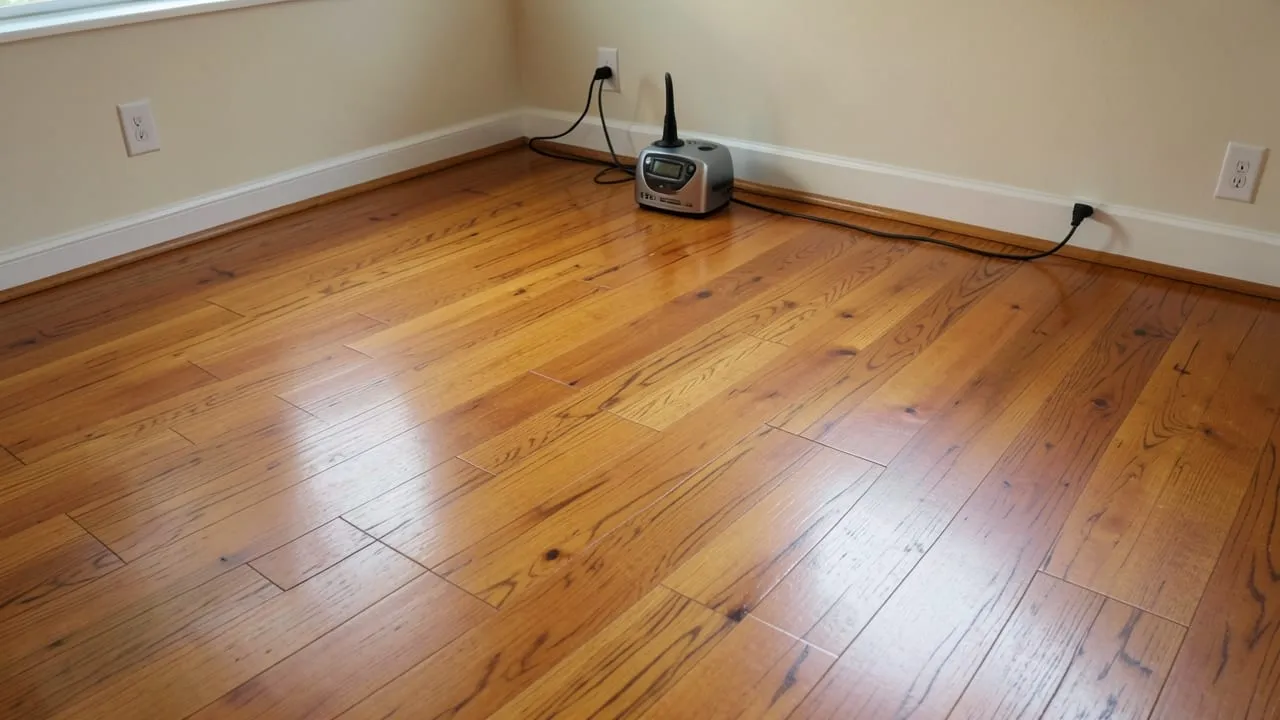
Pet Urine Mold Treatment
Professional removal of mold caused by pet urine in homes, including assessment and treatment.
Pet urine mold in Sevierville homes often hides in carpets, subflooring, and walls, creating musty odors and potential health risks. Specialized remediation targets urine-derived mold by removing contaminated materials, sealing work zones, and treating affected areas to prevent regrowth—restoring a healthier indoor environment for your family.
When pet urine mold needs professional help
Pet urine mold may start small, but certain signs mean DIY solutions won’t cut it. If the affected area covers more than a few square feet or keeps returning after cleaning, professional remediation is the safer choice.
We also handle Roof Leak Mold Remediation and Apartment Mold Remediation for Sevierville properties.
Hidden growth—like behind walls or under flooring—often spreads silently, especially when HVAC systems circulate spores.
A persistent musty smell, even without visible mold, can signal deep-rooted contamination. Rooms with poor airflow, like windowless bathrooms or basements, are high-risk zones. If you’ve tried cleaning but the problem lingers, it’s time to assess whether the moisture source (like leaks or humidity) is still active.
Red Flags for Pet Urine Mold
- Mold covers more than 25 contiguous square feet (a common threshold for professional work).
- Visible mold keeps returning in the same spot after cleaning.
- A musty smell exists with no visible mold, especially when the HVAC runs.
- The affected area feels damp or has poor airflow (e.g., closets, basements).
- You notice mold in multiple rooms or hidden spaces (walls, ducts, subflooring).
What affects cost and timeline?
Pricing for pet urine mold treatment in Sevierville depends on the scope of the job, not a fixed rate. Specialty treatments—like enzymatic odor control for urine or refinishing wood furniture—add to the cost. Whether the crew handles these extras or subcontracts them also impacts pricing.
Timelines stretch when hidden mold is discovered during removal or when structural drying is needed. Clearance testing, which confirms spores are gone, is often billed separately. Always ask upfront if the quote includes inspection, containment, remediation, *and* testing.
| Factor | Typical Impact on Cost/Timeline |
|---|---|
| Size of affected area | Larger areas require more containment, labor, and materials. |
| Hidden mold (walls, ducts) | Opens the job to delays and potential change orders. |
| Specialty treatments (odor, furniture) | Adds 10–30% to the total estimate. |
| Moisture source fix needed | Extends timeline if leaks or grading issues require repair. |
| Clearance testing included? | Separate fee if not bundled in the initial quote. |
Why containment and testing matter
During remediation, plastic sheeting and negative-air machines seal off the work area to trap spores. Without this, disturbed mold can spread to unaffected rooms via air currents. Standard shop vacuums or non-HEPA filters recirculate spores instead of capturing them, worsening contamination.
After removal, industrial dehumidifiers dry framing and subflooring to prevent regrowth. Independent clearance testing—done by a third party—verifies spore counts are back to normal before the job is considered complete. Skipping these steps can leave hidden mold active.
A breach in containment—like an open door or torn plastic—turns a contained job into a larger one. Always confirm the crew uses HEPA filtration and negative air pressure to minimize spore spread.
How pet urine mold treatment works
Remediation follows strict steps to remove mold and prevent it from returning.
- 1Containment Setup
Plastic sheeting and negative-air machines seal the work area to trap spores. This keeps contamination from spreading to other rooms during removal.
- 2Removal of Contaminated Materials
Porous materials like drywall, carpet padding, or insulation—where mold grows deep—are cut out and bagged. Non-porous surfaces (tile, framing) are scrubbed and treated instead.
- 3HEPA Filtration and Drying
HEPA air scrubbers run continuously, and surfaces are vacuumed with HEPA tools to capture spores. Industrial dehumidifiers dry framing and subflooring to normal moisture levels.
- 4Clearance Testing
An independent lab tests air or surfaces to confirm spore counts are back to normal. This step ensures the job is complete before containment is removed.
- 5Moisture Source Fix (If Needed)
If leaks, condensation, or grading issues caused the mold, these are addressed to prevent regrowth. Stagnant rooms may need fans or dehumidifiers long-term.
Frequently asked questions
My dog pees in one corner of the living room—will cleaning that spot stop the mold?
If the area is small and isolated, cleaning with an enzymatic solution may help. However, if the mold keeps returning or spreads, it’s likely growing in hidden spots like subflooring or walls, requiring professional removal and drying.
How do I know if the mold is from pet urine or something else?
Pet urine mold often smells strongly of ammonia and appears in high-traffic pet areas. If the mold is in multiple rooms or near plumbing, other moisture sources (like leaks) may also be contributing. Testing can confirm the type.
Will the remediation crew fix the leak or humidity issue that caused the mold?
Some crews include moisture source repairs in the scope, while others may subcontract this work. Always ask upfront whether the quote covers fixing leaks, grading, or airflow problems—leaving these unresolved can lead to regrowth.
How long until the musty smell is completely gone?
Odor control takes time, especially with pet urine. Enzymatic treatments and deep cleaning help, but lingering smells may require additional air purification or HVAC duct cleaning. Clearance testing confirms when spore levels are normal.
Where Sevierville sits, and what the Census lists nearby
Sevierville sits in Tennessee, and the closest places listed in the U.S. Census Gazetteer are Pigeon Forge (6.4 miles south), Fairgarden (9.4 miles east), Seymour (10.2 miles west), Gatlinburg (12.4 miles southeast). Within 25 miles of Sevierville the same source lists 27 distinct incorporated places and census-designated places.
Those figures matter for pet urine mold treatment because they are straight-line distances between Census coordinate points: road mileage between Sevierville and Pigeon Forge runs longer than the 6.4 miles shown, which is why quotes for the same job differ between towns that look close together on a map.
Source: U.S. Census Bureau Gazetteer.
See Eagleton Village, TN for more, or check out what we cover for Sevierville properties in full for our complete lineup.
Ready to get started?
Talk to a local mold remediation pro in Sevierville — get a written quote.
Other Mold Remediation Services in Sevierville
Roof Leak Mold Remediation in Sevierville, TN
Professional removal of mold caused by roof leaks to restore a safe, healthy home environment.
Learn More
Apartment Mold Remediation in Sevierville, TN
Professional mold removal and remediation for apartments to restore safe living conditions.
Learn More
School Mold Remediation in Sevierville, TN
Professional mold removal and remediation in schools to ensure a safe, healthy environment.
Learn More
Hospital Mold Removal in Sevierville, TN
Professional assessment and removal of mold in hospitals to ensure a safe, healthy environment.
Learn More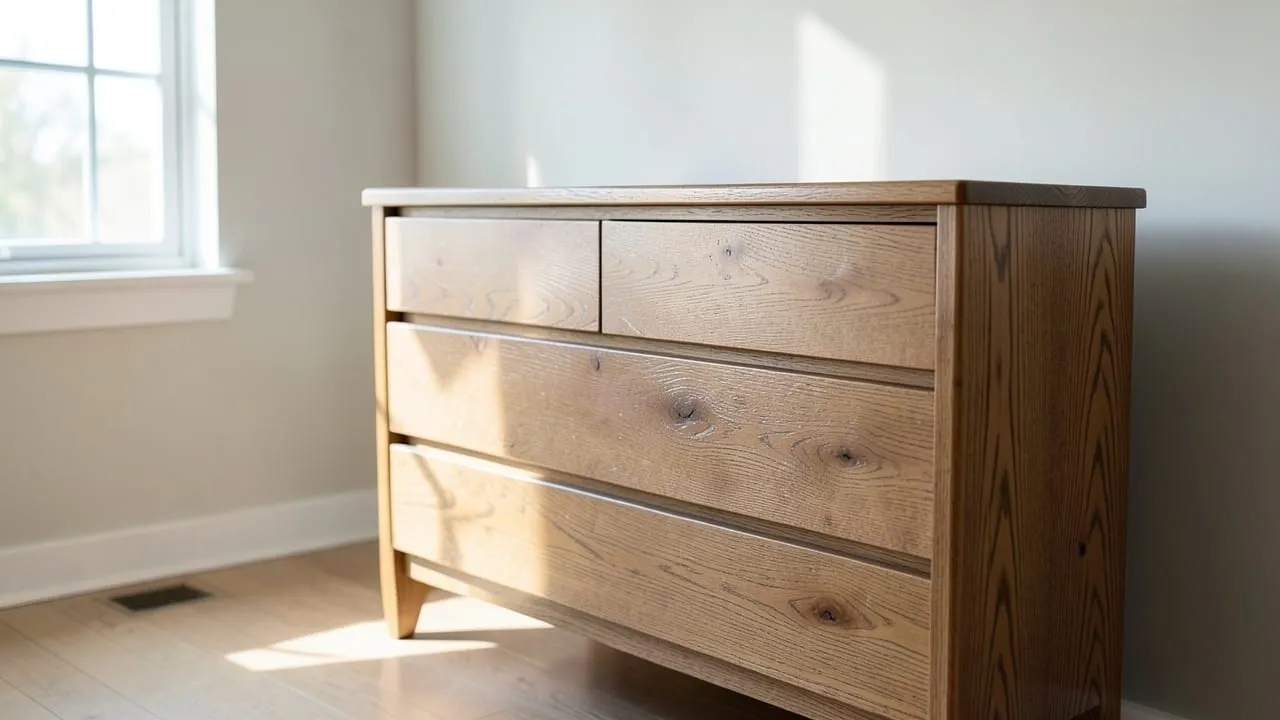
Wood Furniture Mold Remediation in Sevierville, TN
Professional removal and treatment of mold from wood furniture to restore safety and appearance.
Learn More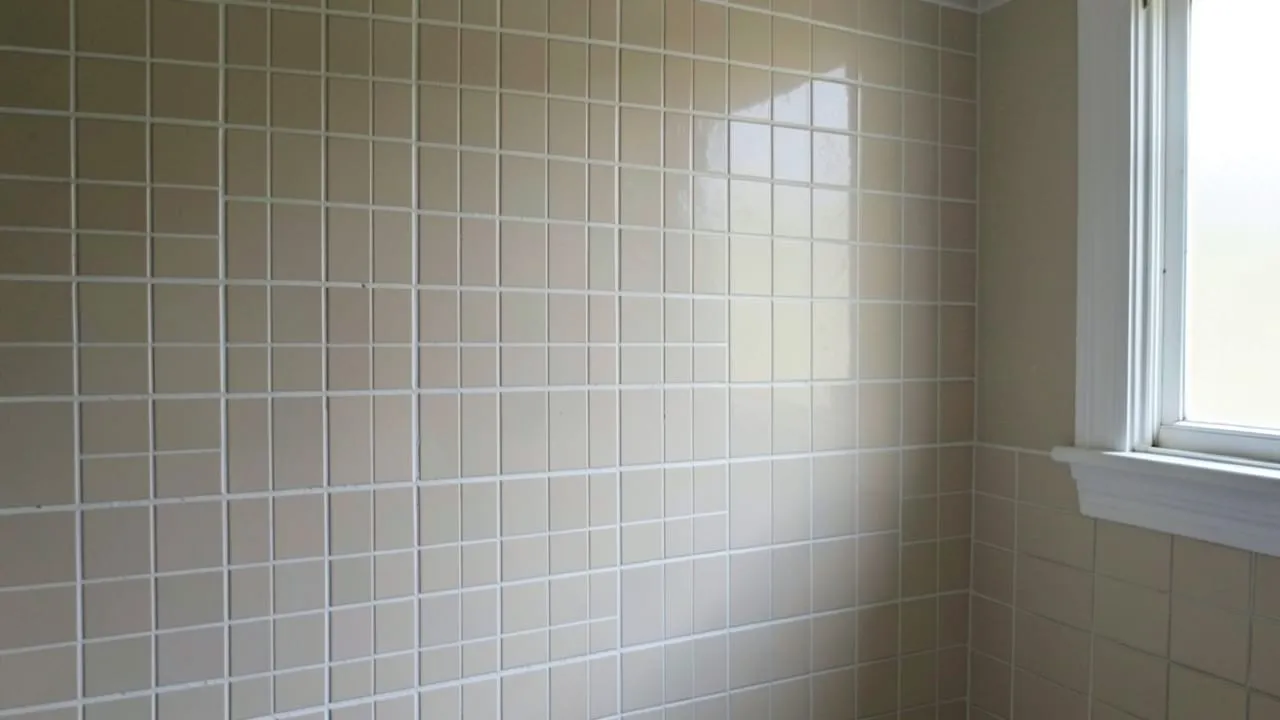
Tile & Grout Mold Cleanup in Sevierville, TN
Professional removal of mold from tile and grout surfaces in bathrooms, kitchens, and other tiled areas.
Learn MoreCommon Questions About Mold Remediation in Sevierville
Everything you need to know about mold remediation services in Sevierville
How much does Pet Urine Mold Treatment typically cost in Sevierville, TN?
Why does Sevierville, TN's humidity make mold a bigger risk than in drier regions?
How does mold remediation actually prevent the problem from coming back?
Can mold growing inside HVAC ductwork spread to the rest of a home?
Does mold mean the same thing as mildew?
Does homeowners insurance typically cover mold remediation?
Need Mold Remediation in Sevierville?
Connect with local providers in Sevierville for a detailed quote.
⏰ We answer your call • Serving all of Sevierville and surrounding areas