
Hospital Mold Removal
Professional assessment and removal of mold in hospitals to ensure a safe, healthy environment.
In Sevierville, TN, hospital-grade mold removal ensures thorough, safe remediation for homes with severe or recurring mold growth. Specialized containment, HEPA filtration, and moisture control methods help prevent spores from spreading while addressing hidden sources to reduce regrowth risks.
This approach is ideal for mold covering large areas, returning after cleaning, or hidden behind walls or under floors.
We also handle Spring Mold Inspection and Post-Remediation Sealing for Sevierville properties.
When to call for professional mold removal
Mold in a home can often be addressed with basic cleaning, but certain signs indicate a need for professional intervention. Growth covering more than a small patch—especially over 25 square feet—typically requires specialized equipment and protocols to fully contain and eliminate spores.
Recurring mold in the same spot suggests an unresolved moisture issue, while a musty smell with no visible mold often points to hidden growth in walls, ducts, or under flooring.
If your home’s HVAC system spreads mold spores through the air, or if the mold is in critical areas like bathrooms, basements, or near plumbing, professional remediation helps prevent wider contamination. These situations often need containment, structural drying, and clearance testing to ensure the space is safe afterward.
Signs You Need Professional Mold Removal
- Mold covers more than a small, isolated patch (25+ square feet).
- Mold keeps returning after cleaning, even in the same spot.
- A musty smell exists with no visible mold in the room.
- The HVAC system appears to be spreading mold spores through the house.
- Mold is in high-moisture areas like bathrooms, basements, or near plumbing.
What affects pricing and timeline?
Pricing for mold removal depends on the scope of the job, the materials involved, and the complexity of containment. Larger areas, hidden mold behind walls or under flooring, and the need for structural drying or HVAC system treatment can increase costs.
Timeline factors include the size of the affected space, whether moisture sources need repair, and how quickly the area can be properly dried and tested.
Containment, HEPA filtration, and clearance testing are critical steps that add to the overall cost but ensure the job is done safely and effectively. These measures help prevent spores from spreading during removal and confirm the space is clear afterward.
A site visit is usually required before an accurate estimate can be provided, as every mold situation is unique.
Preparing your home for mold removal
Before remediation begins, the crew will set up containment to isolate the affected area and prevent spores from spreading. This involves sealing off the space with plastic sheeting and using negative-air machines to keep spores inside the containment zone.
Homeowners should remove personal items from the work area and ensure unoccupied rooms are accessible for containment setup.
After removal, the crew will dry the structure thoroughly using industrial dehumidifiers and air movers to prevent regrowth. Clearance testing follows to confirm spore levels are back to normal. Homeowners can help by monitoring humidity in the treated area for the first year and addressing any new moisture issues promptly.
Clear the work area of personal items, pets, and plants. Ensure unoccupied rooms are accessible for containment setup, and note any moisture sources (leaks, condensation) that may need repair.
How hospital-grade mold removal works
This process ensures safe, thorough removal of mold in homes using specialized containment and filtration methods.
- 1Containment Setup
Plastic sheeting and negative-air machines seal off the affected area to prevent spores from spreading during removal. This step is critical for keeping contamination localized.
- 2Mold Removal and Treatment
Porous materials like drywall and insulation are cut out and bagged, while non-porous surfaces are scrubbed and treated. HEPA-filtered equipment captures spores instead of recirculating them.
- 3Structural Drying
Industrial dehumidifiers and air movers dry the framing and subfloor to normal moisture levels, preventing regrowth after visible mold is removed.
- 4Clearance Testing
An independent lab tests air or surface samples to confirm spore counts are back to normal before containment is removed.
- 5Post-Remediation Monitoring
Homeowners should check humidity in the treated area and fix any moisture sources to help prevent future growth.
Frequently asked questions
How do I know if my mold problem is severe enough for professional removal?
If mold covers more than 25 square feet, keeps returning after cleaning, or you notice a musty smell with no visible growth, professional remediation is likely needed. Hidden mold in walls or ducts also requires specialized equipment and containment.
Will the mold come back if the crew fixes the visible growth but doesn’t address the moisture source?
Yes, mold will likely return if the underlying moisture issue—like a leak or high humidity—isn’t resolved. Professional remediation includes identifying and fixing these sources to help prevent regrowth.
How long does the entire mold removal process take?
The timeline varies based on the size of the affected area, containment needs, and drying requirements. Containment, removal, and clearance testing can take anywhere from a few days to over a week for larger or complex jobs.
Do I need to leave my home during the mold removal process?
It depends on the scope of the job. Small, contained areas may allow you to stay, but larger remediation projects often require you to leave until containment is removed and clearance testing is complete.
Where Sevierville sits, and what the Census lists nearby
Sevierville sits in Tennessee, and the closest places listed in the U.S. Census Gazetteer are Pigeon Forge (6.4 miles south), Fairgarden (9.4 miles east), Seymour (10.2 miles west), Gatlinburg (12.4 miles southeast). Within 25 miles of Sevierville the same source lists 27 distinct incorporated places and census-designated places.
Those figures matter for hospital mold removal because they are straight-line distances between Census coordinate points: road mileage between Sevierville and Pigeon Forge runs longer than the 6.4 miles shown, which is why quotes for the same job differ between towns that look close together on a map.
Source: U.S. Census Bureau Gazetteer.
See Townsend, TN for more, or explore everything on offer in Sevierville by category for our complete lineup.
Ready to get started?
Talk to a local mold remediation pro in Sevierville — get a written quote.
Other Mold Remediation Services in Sevierville
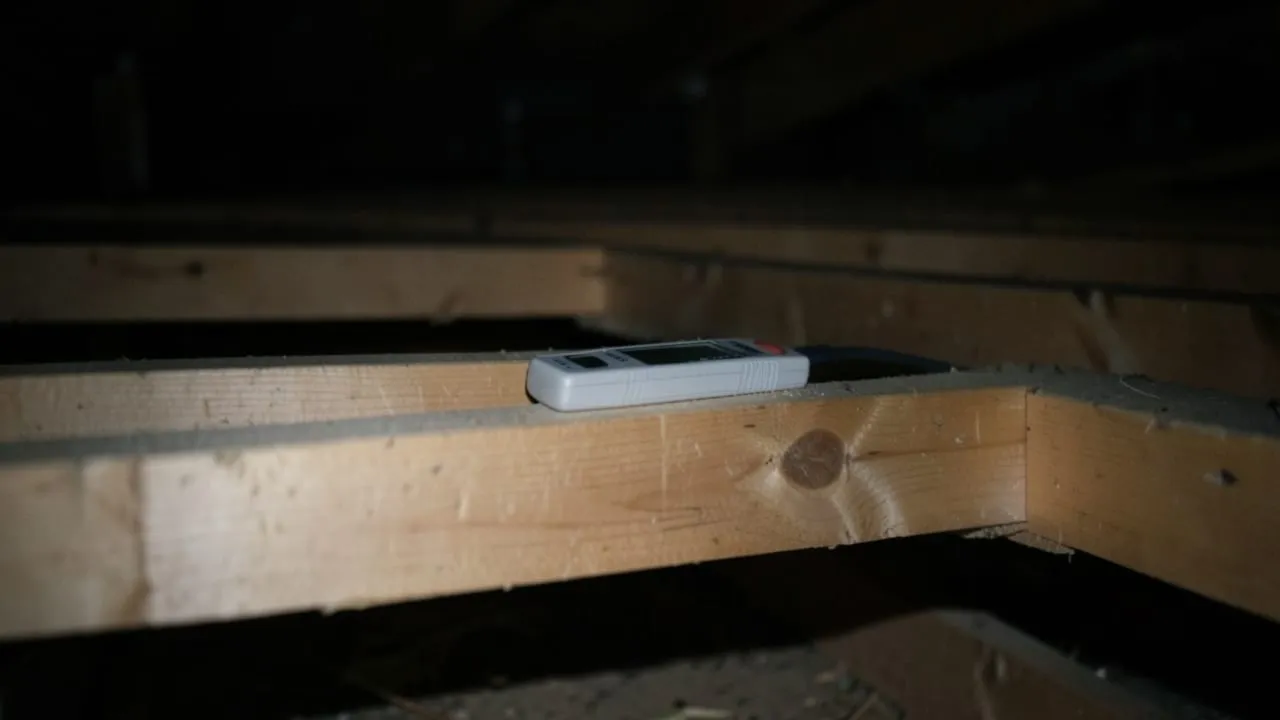
Spring Mold Inspection in Sevierville, TN
Professional assessment and identification of mold growth in homes.
Learn More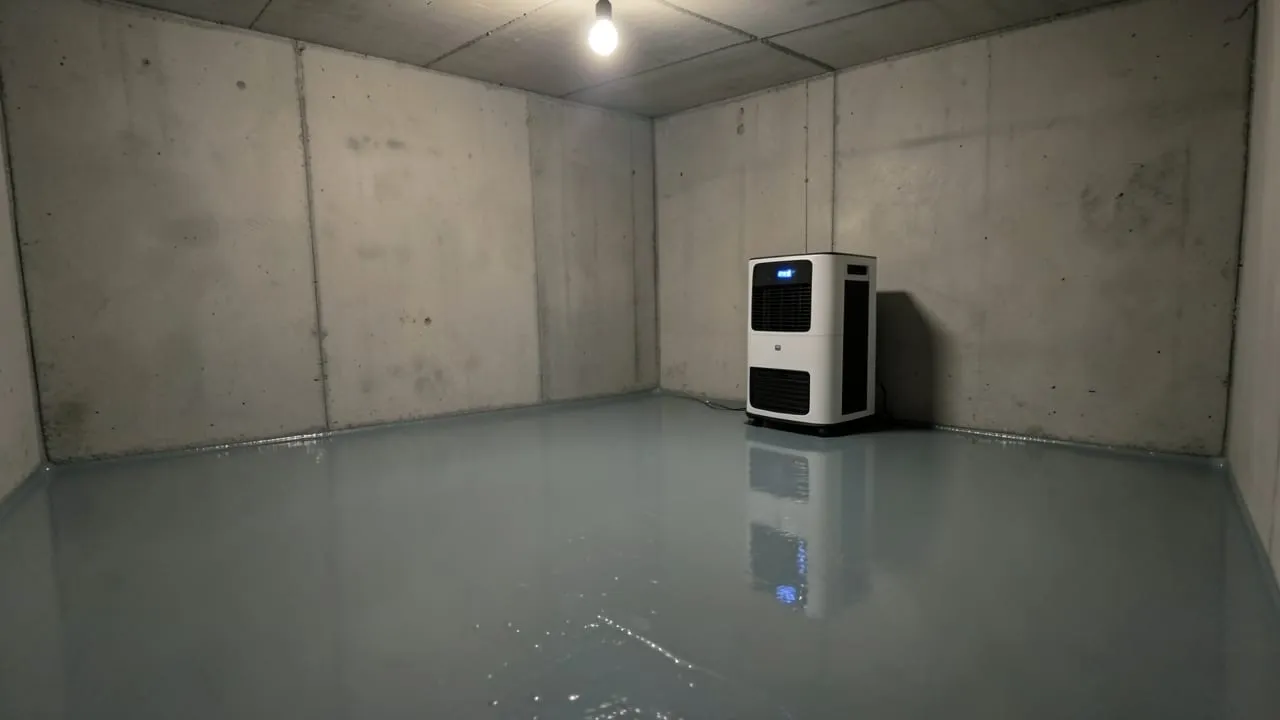
Post-Remediation Sealing in Sevierville, TN
Applying protective sealants to surfaces after mold remediation to prevent future growth.
Learn More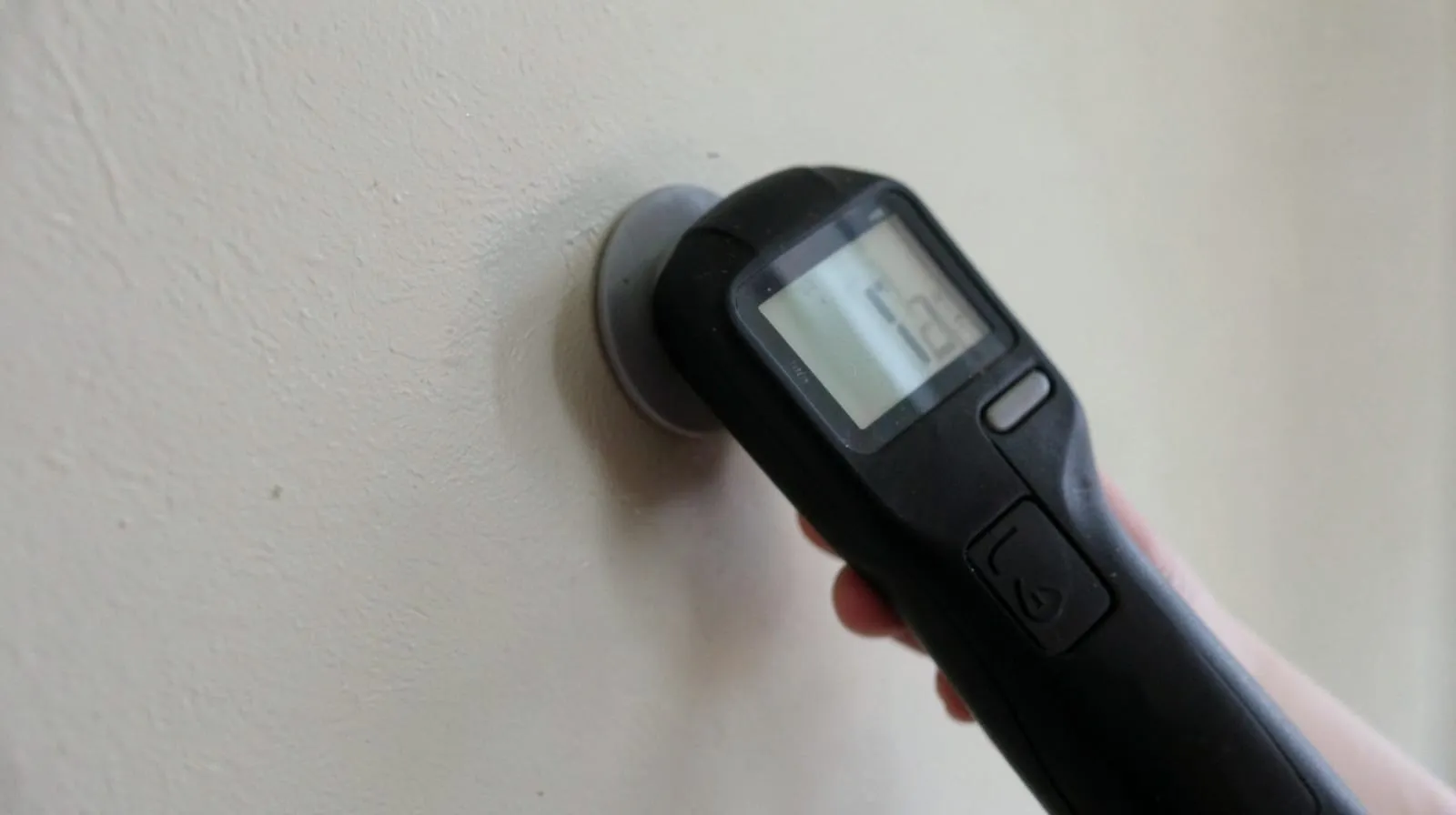
Mold Inspection in Sevierville, TN
Mold inspection in Sevierville, TN — a visual and moisture-meter assessment that finds the source of growth, not just the visible spot on the wall.
Learn More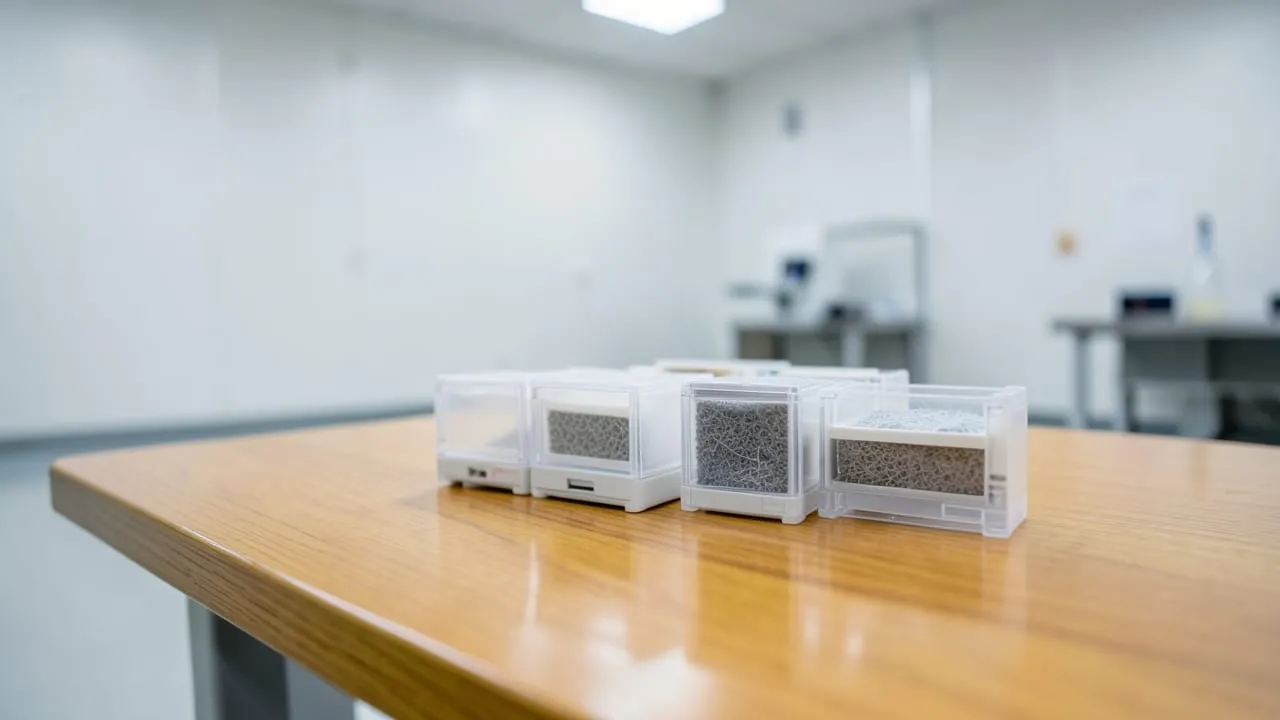
Mold Testing & Air Quality Testing in Sevierville, TN
Mold and indoor air quality testing in Sevierville, TN — lab-analyzed air and surface samples confirm what's actually growing and whether it's airborne.
Learn More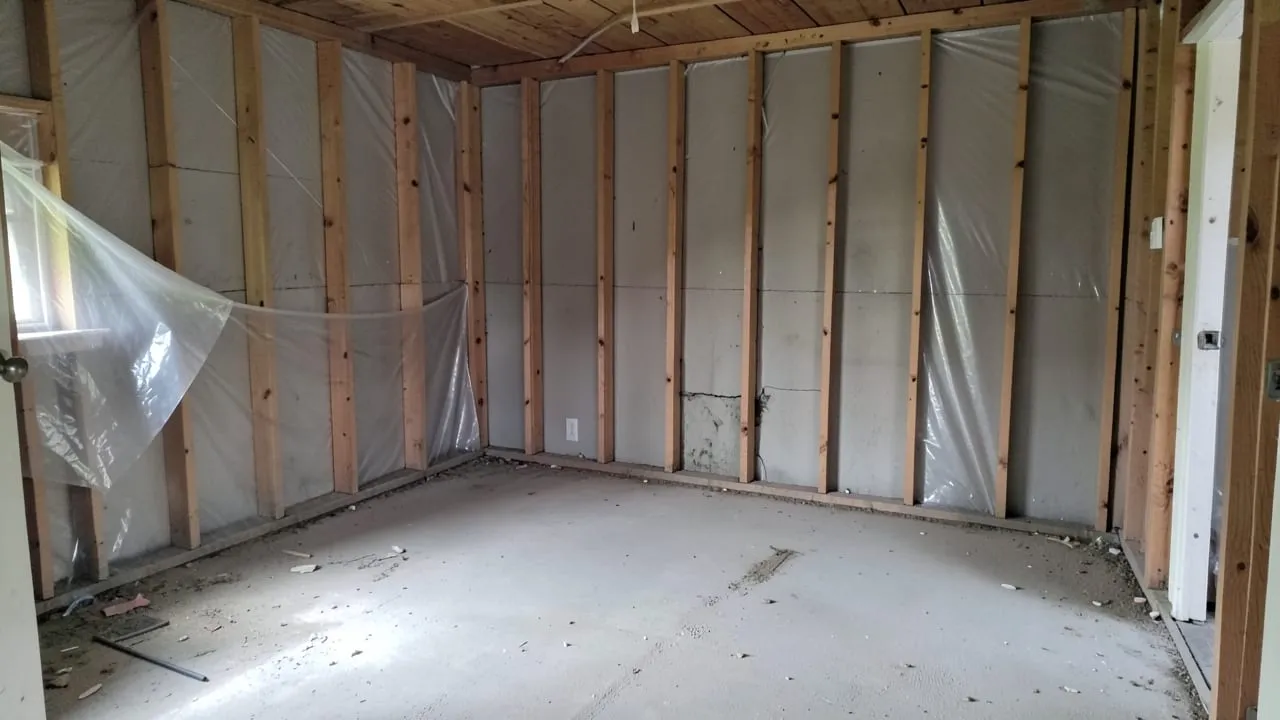
Mold Removal & Remediation in Sevierville, TN
Mold removal and remediation in Sevierville, TN — containment, HEPA filtration, and removal of affected material following industry (IICRC S520) protocol.
Learn More
Water Damage Restoration in Sevierville, TN
Water damage restoration in Sevierville, TN — extraction and structural drying to stop mold growth before it starts, following a leak, storm, or flood.
Learn MoreCommon Questions About Mold Remediation in Sevierville
Everything you need to know about mold remediation services in Sevierville
How much does Hospital Mold Removal typically cost in Sevierville, TN?
Why does Sevierville, TN's humidity make mold a bigger risk than in drier regions?
How long does a typical mold remediation job take?
Is it safe to stay in the home during mold remediation?
Can small mold problems be handled without hiring anyone?
What's the actual difference between mold removal and mold remediation?
Need Mold Remediation in Sevierville?
Connect with local providers in Sevierville for a detailed quote.
⏰ We answer your call • Serving all of Sevierville and surrounding areas