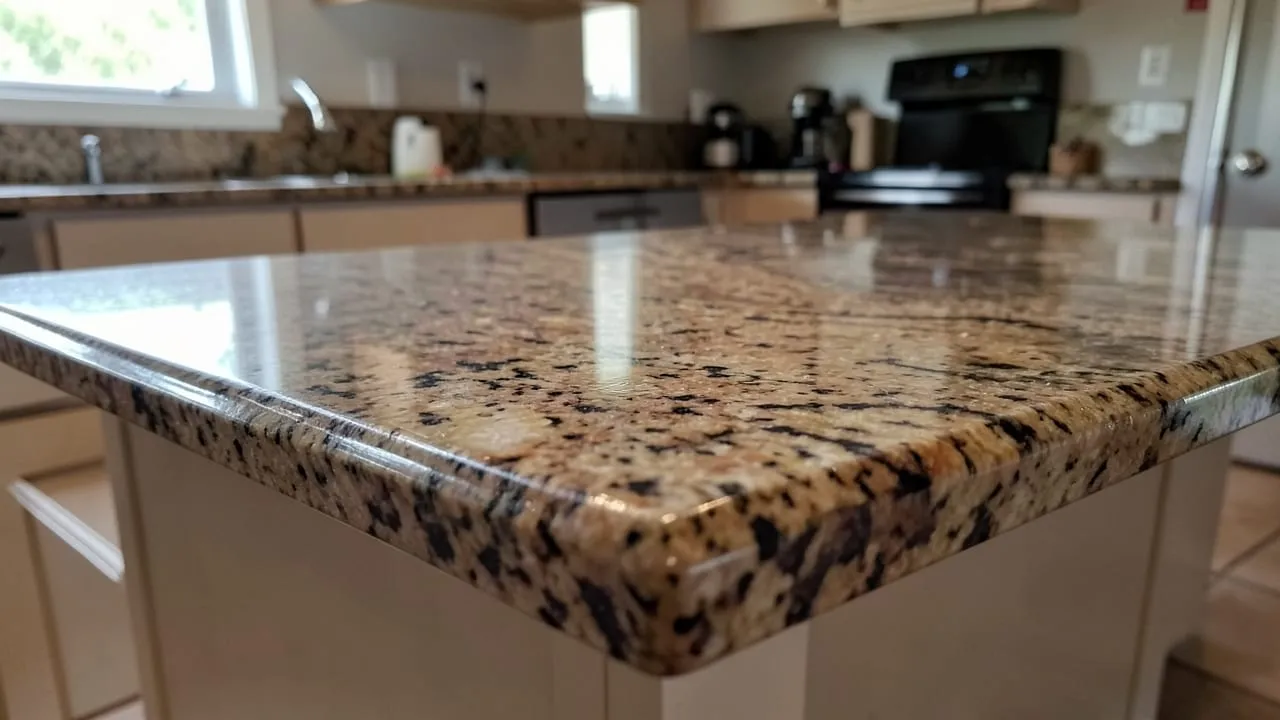
Stone Countertop Mold Removal
Professional removal of mold from stone countertops using specialized cleaning and treatment methods.
Stone countertop mold removal in Sevierville targets fungal growth on surfaces like granite, marble, or quartz, requiring careful cleaning to eliminate spores and prevent regrowth. Unlike porous materials, stone requires specialized solutions to avoid damage while ensuring thorough remediation.
Proper containment and testing are critical to prevent cross-contamination and confirm clearance.
We also handle Brick Masonry Mold Treatment and Stairwell Mold Remediation for Sevierville properties.
When is stone countertop mold removal needed?
Mold on stone countertops often starts as small, discolored patches but can spread quickly if moisture persists. If you notice dark spots, a musty smell, or recurring growth after cleaning, it’s time for professional treatment.
DIY methods may only remove surface mold, leaving spores to regrow if the moisture source isn’t addressed.
Stone surfaces like granite or marble are non-porous, but mold can still cling to sealed pores or cracks. Unlike wood or drywall, these materials can’t be replaced—only cleaned properly. Ignoring mold risks staining, structural damage, and health concerns, especially in high-traffic areas like kitchens or bathrooms.
Signs You Need Professional Mold Removal
- Mold covers more than a small, isolated patch (typically over 25 square feet).
- Growth returns within weeks after cleaning, indicating an unresolved moisture issue.
- A musty odor persists even after cleaning, suggesting hidden mold in walls, under flooring, or in ductwork.
- Stone surfaces show discoloration, etching, or a slimy texture from mold buildup.
What affects pricing and timing?
Pricing for stone countertop mold removal in Sevierville depends on the surface area affected, the type of stone, and whether additional work—like refinishing or sealing—is needed. Unlike flat-rate services, quotes are often project-specific after an inspection, as containment, testing, and moisture fixes add to the scope.
Timing varies based on containment setup, drying requirements, and clearance testing. A simple surface treatment may take a day, while hidden mold or structural moisture issues could extend the process. Independent testing after remediation ensures the job meets safety standards before the area is released.
Why containment and testing matter
Containment prevents mold spores from spreading during removal. Plastic sheeting and negative-air machines isolate the work area, while HEPA vacuums and air scrubbers capture spores that would otherwise recirculate. Skipping these steps risks contaminating unaffected parts of your home, turning a small job into a larger one.
Clearance testing by an independent lab confirms mold levels are back to normal before containment is removed. Without testing, there’s no way to verify whether the remediation worked—or if hidden mold remains. This step is especially critical for stone surfaces, where residual spores can regrow if moisture persists.
Using standard vacuums or non-HEPA filters recirculates spores instead of capturing them. Rushing containment setup or skipping clearance testing leaves your home vulnerable to regrowth. Always verify the crew follows industry protocols for stone surfaces.
How stone countertop mold removal works
Professional remediation follows strict steps to safely eliminate mold and prevent recurrence.
- 1Containment Setup
Plastic sheeting seals the work area, and negative-air machines create a vacuum to trap spores inside. This prevents cross-contamination to other rooms or HVAC systems.
- 2Surface Treatment
Specialized mold-killing solutions are applied to stone surfaces, followed by scrubbing with HEPA-filtered tools. Porous materials like grout or caulk are removed and replaced if contaminated.
- 3Drying and Dehumidification
Industrial dehumidifiers and air movers dry framing and subfloors to normal moisture levels. Stone countertops are left to dry completely to prevent residual spores.
- 4HEPA Cleanup
All surfaces are vacuumed with HEPA equipment, and air scrubbers run continuously to capture airborne spores. This step ensures no spores remain in the air or on surfaces.
- 5Clearance Testing
An independent lab tests air and surfaces for mold spores. Only after clearance is confirmed is containment removed, and the area considered safe.
Frequently asked questions
Can I clean mold off my stone countertops myself?
For small patches, vinegar or hydrogen peroxide may help, but mold on stone often requires professional-grade solutions to penetrate sealed surfaces. DIY methods rarely address hidden moisture, leading to regrowth.
How long does the remediation process take?
Simple surface treatment may take a day, but jobs with hidden mold, structural moisture, or large areas can extend to several days. Containment, drying, and testing add time to ensure thorough results.
Will my countertops look the same after treatment?
Professional cleaning preserves the stone’s appearance, but severe mold damage may require refinishing or resealing. A pre-treatment inspection determines whether restoration is possible.
How do I prevent mold from coming back?
Fix leaks, improve ventilation in damp areas, and monitor humidity. Stone surfaces benefit from periodic sealing to repel moisture. Regular inspections catch early signs of recurrence.
Where Sevierville sits, and what the Census lists nearby
Sevierville sits in Tennessee, and the closest places listed in the U.S. Census Gazetteer are Pigeon Forge (6.4 miles south), Fairgarden (9.4 miles east), Seymour (10.2 miles west), Gatlinburg (12.4 miles southeast). Within 25 miles of Sevierville the same source lists 27 distinct incorporated places and census-designated places.
Those figures matter for stone countertop mold removal because they are straight-line distances between Census coordinate points: road mileage between Sevierville and Pigeon Forge runs longer than the 6.4 miles shown, which is why quotes for the same job differ between towns that look close together on a map.
Source: U.S. Census Bureau Gazetteer.
See Jefferson City, TN for more, or take a look at everything on offer in Sevierville on a single page for our complete lineup.
Ready to get started?
Talk to a local mold remediation pro in Sevierville — get a written quote.
Other Mold Remediation Services in Sevierville
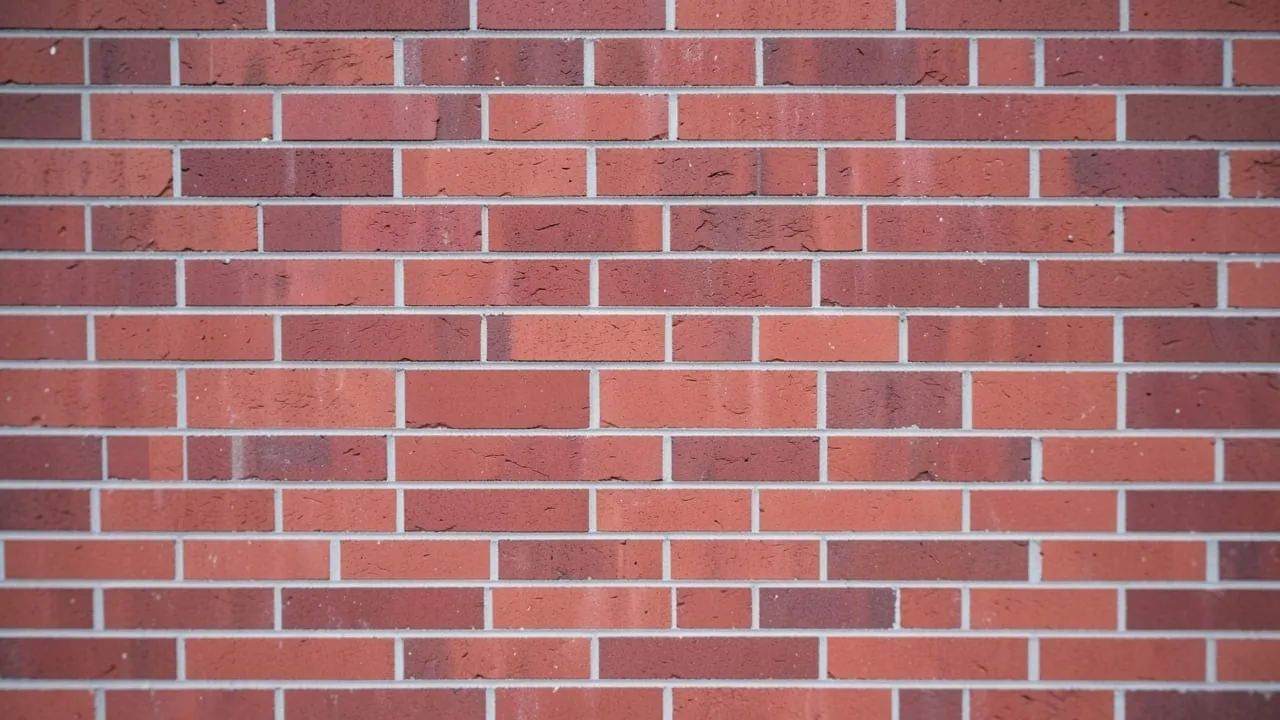
Brick Masonry Mold Treatment in Sevierville, TN
Professional mold treatment and removal from brick masonry to restore structural integrity and indoor air quality.
Learn More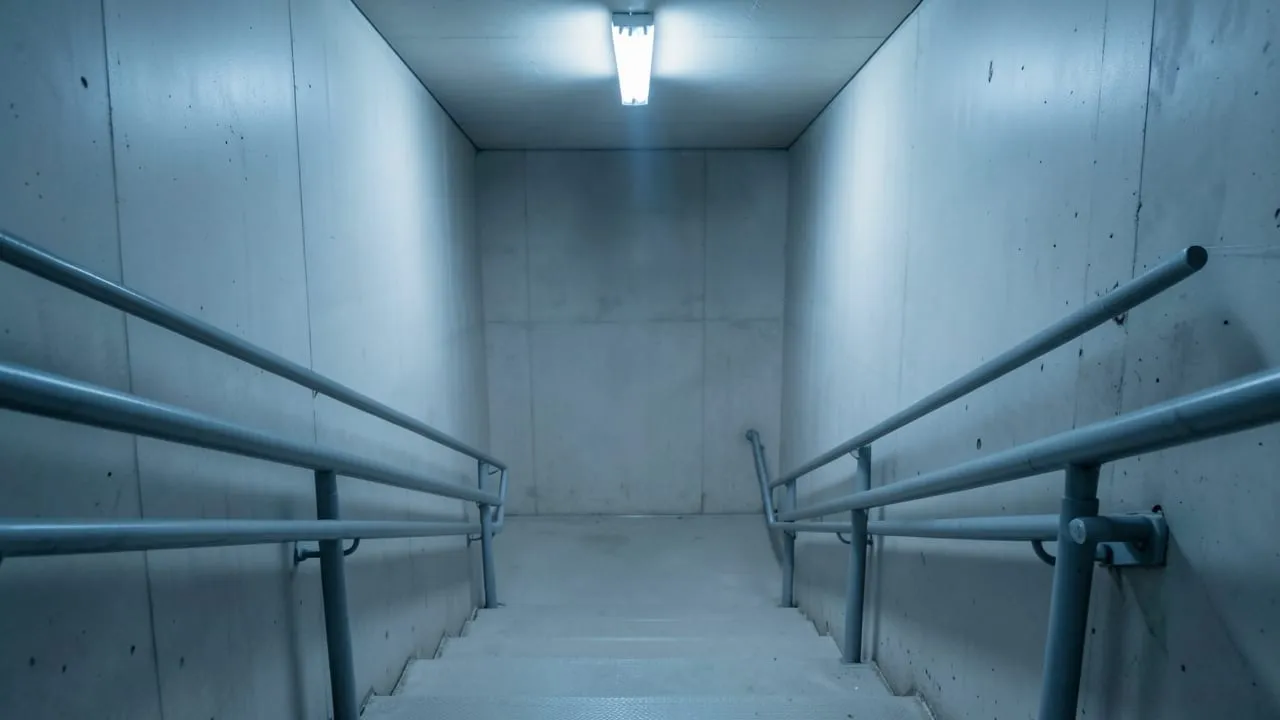
Stairwell Mold Remediation in Sevierville, TN
Professional mold removal and prevention in stairwells to restore safe, clean spaces.
Learn More
Sunroom Mold Remediation in Sevierville, TN
Professional removal and treatment of mold in sunrooms to restore a safe, clean space.
Learn More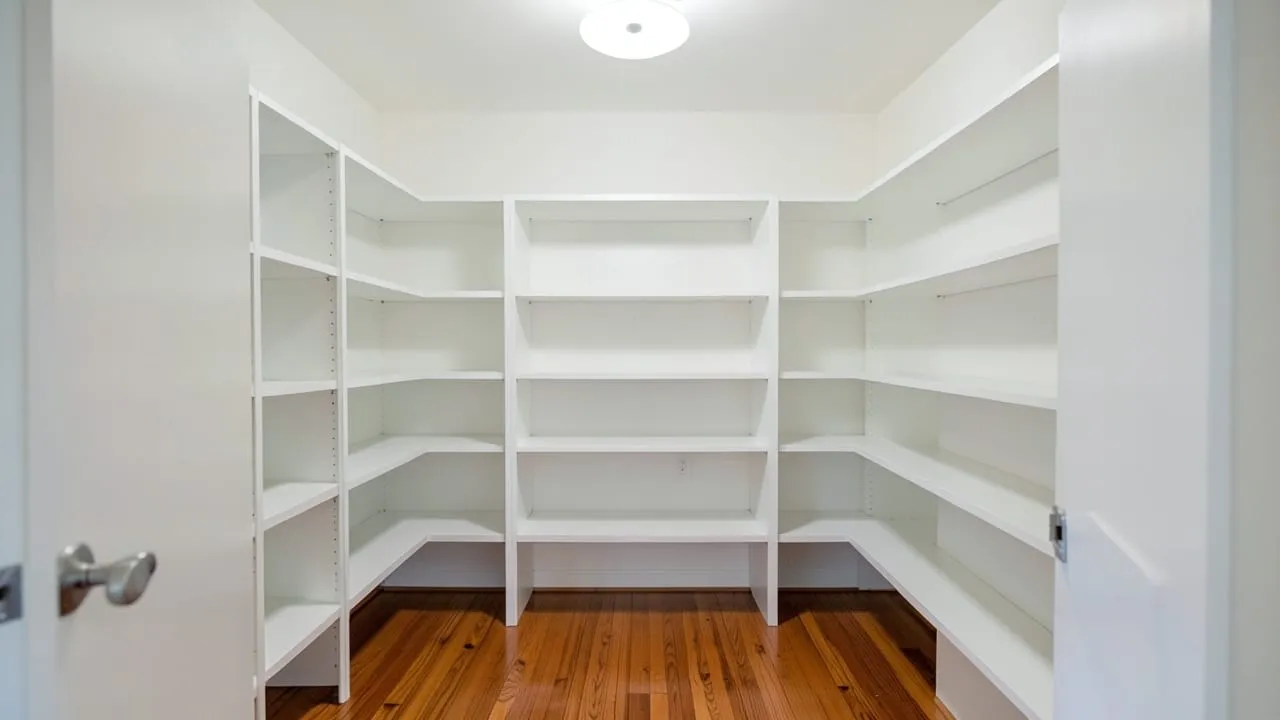
Closet Mold Cleanup in Sevierville, TN
Professional cleanup and removal of mold from closets to restore safe, healthy spaces.
Learn More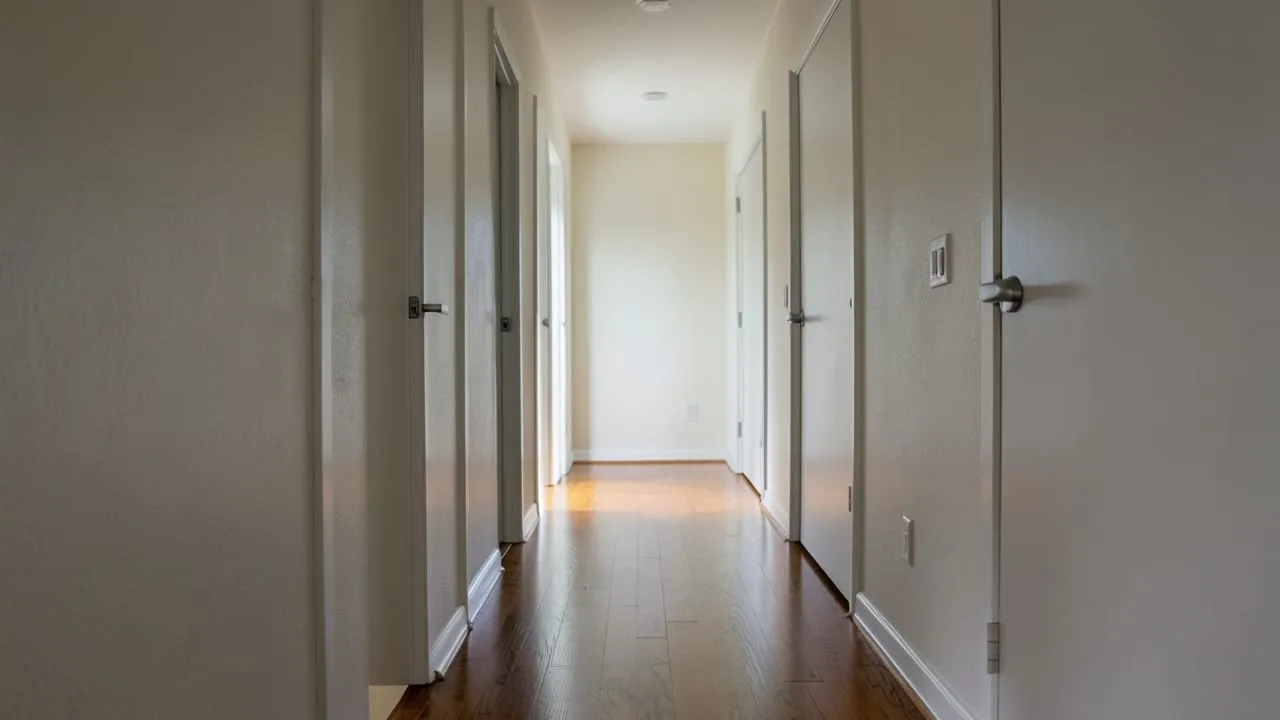
Hallway Mold Remediation in Sevierville, TN
Professional removal and treatment of mold growth in residential hallways.
Learn More
HOA Mold Remediation in Sevierville, TN
Professional mold removal and remediation for HOA properties to restore safe, healthy living conditions.
Learn MoreCommon Questions About Mold Remediation in Sevierville
Everything you need to know about mold remediation services in Sevierville
How much does Stone Countertop Mold Removal typically cost in Sevierville, TN?
Why does Sevierville, TN's humidity make mold a bigger risk than in drier regions?
What's the actual difference between mold removal and mold remediation?
Is a final clearance test part of a typical mold remediation job?
How does mold remediation actually prevent the problem from coming back?
Can mold growing inside HVAC ductwork spread to the rest of a home?
Need Mold Remediation in Sevierville?
Connect with local providers in Sevierville for a detailed quote.
⏰ We answer your call • Serving all of Sevierville and surrounding areas