Understanding HEPA Filtration in Mold Removal for Sevierville Homes
Mold spores are microscopic and resilient, drifting through the air long after visible growth is gone. During professional mold removal, HEPA filtration is the critical line of defense to prevent cross-contamination. In humid areas like Sevierville, this step is non-negotiable for effective remediation.
Why HEPA Filtration Is Non-Negotiable in Mold Work
Mold spores measure 1–100 microns—small enough to bypass standard vacuum filters. HEPA (High-Efficiency Particulate Air) filters trap 99.97% of particles at 0.3 microns, the most penetrating size for mechanical filtration.
Without HEPA capture, disturbed spores can settle in HVAC systems, carpets, or furniture, restarting growth. Sevierville’s damp springs and summers make this risk even higher.
How Air Scrubbers Integrate with Remediation
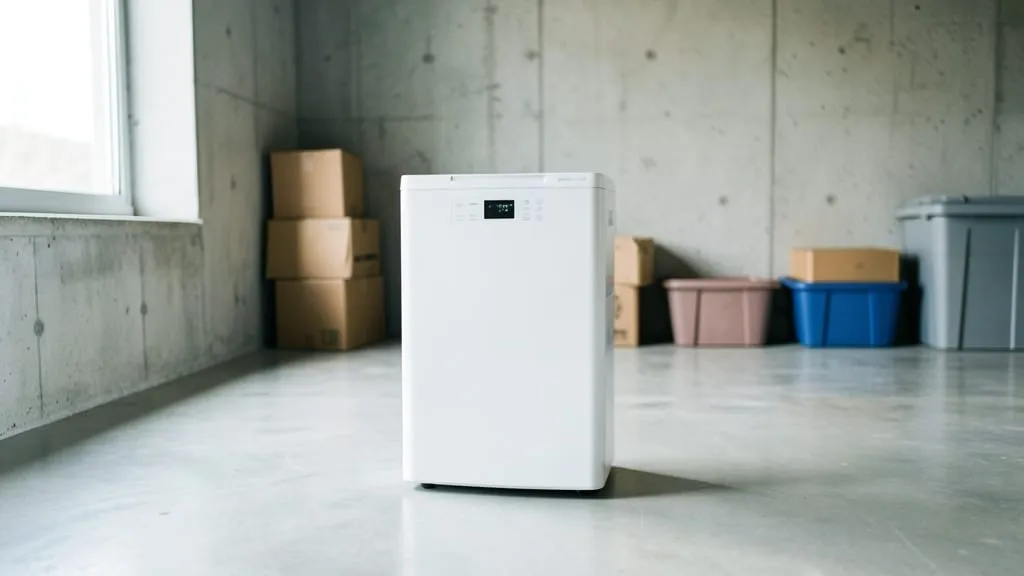
Portable air scrubbers pull contaminated air through multiple HEPA stages, often paired with activated carbon for VOCs. These units run continuously during abatement to maintain clean air in the work zone.
In larger jobs, multiple scrubbers may be staged to create a pressure differential. This prevents spores from migrating to clean areas of the home or building.
Position air scrubbers near the containment entry and at the far end of the work area. This ensures airflow covers the entire space before exhaust.
HEPA vs. Standard Filtration: A Side-by-Side
Not all filters are equal. Standard furnace filters (MERV 5–8) catch dust and pollen but let mold spores pass. True HEPA filters are rated MERV 17–20, the gold standard for particulate removal.
| Filter Type | MERV Rating | Mold Spore Capture | Typical Use |
|---|---|---|---|
| Standard Panel Filter | 1–4 | Minimal | Basic HVAC |
| Pleated Filter | 5–8 | Low (10–20%) | Residential HVAC |
| High-Efficiency Filter | 9–12 | Moderate (40–60%) | Hospitals, Labs |
| HEPA Filter | 17–20 | 99.97% @ 0.3µm | Mold Remediation, Cleanrooms |
Containment and Negative Air Pressure
HEPA filtration works best inside a sealed containment area. Plastic sheeting and zippered entries isolate the work zone, while exhaust fans create negative pressure to pull air inward.
This setup ensures spores can’t escape to other rooms. In multi-story Sevierville homes, vertical containment may be needed to prevent upward migration.
Running a household HEPA air purifier without containment can spread spores further. Containment and directed airflow are essential for safe remediation.
HEPA in HVAC Systems: When It’s Needed
If mold is found in ductwork, HEPA filtration must be part of the HVAC cleanup. Standard duct cleaning won’t remove microscopic spores embedded in insulation or metal surfaces.
Post-remediation, upgrading to a HEPA-rated HVAC filter (MERV 13+) helps maintain air quality. This is especially wise in older Sevierville homes with histories of moisture issues.
Equipment and PPE: The Full HEPA Ecosystem
Beyond air scrubbers, HEPA vacuums are used for final cleanup of surfaces. These vacuums exhaust through HEPA filters to avoid re-release of captured spores.
Technicians also rely on HEPA-filtered respirators (N95 or better) to protect against inhalation. In Sevierville’s tight crawl spaces, this PPE is critical due to poor ventilation.
HEPA Equipment Checklist for Mold Jobs
- Portable air scrubbers with true HEPA filters
- HEPA-rated vacuum for surface cleanup
- Negative air machines for containment exhaust
- HEPA-filtered respirators for all personnel
- Sealed disposal bags for contaminated materials
Post-Remediation Verification and HEPA’s Role
After remediation, air quality testing confirms spore levels are back to normal. HEPA filtration during the process reduces the risk of false negatives caused by lingering airborne spores.
In Sevierville, third-party testing is often recommended after major jobs, especially in rental properties or before real estate transactions.
Common Mistakes with HEPA in Mold Work
Using a ‘HEPA-like’ filter (e.g., MERV 13) instead of true HEPA can leave spores behind. Always verify the filter’s certification for 0.3-micron efficiency.
Failing to replace HEPA filters after a job can reintroduce spores into the next site. Filters should be bagged and disposed of as contaminated waste.
HEPA filters in air scrubbers typically last 50–100 hours of continuous use in mold remediation. Humid conditions in East Tennessee may shorten this window.
How to Verify HEPA Use During Mold Remediation
Not all contractors follow best practices—here’s how to confirm HEPA standards are met.
- 1Ask for Filter Specifications
Request documentation showing the air scrubbers use true HEPA filters (MERV 17+). Avoid vague terms like ‘high-efficiency’ without proof.
- 2Inspect the Containment Setup
Look for plastic barriers sealing the work area and exhaust hoses venting outside. Negative pressure should be measurable with a manometer.
- 3Check Equipment Placement
Air scrubbers should be positioned to pull air from the dirtiest area toward the cleanest, not just placed randomly.
- 4Review the Cleanup Protocol
Ensure HEPA vacuums are used for final surface cleaning, not standard shop vacs. Confirm contaminated filters are disposed of properly.
- 5Request Post-Remediation Testing
Independent air quality tests can verify spore levels are within normal ranges, proving the HEPA system worked as intended.
Frequently Asked Questions
Can a regular air purifier replace HEPA filtration during mold removal in Sevierville?
No. Household air purifiers lack the airflow capacity and sealed containment integration needed for remediation. They may help post-cleanup but aren’t a substitute during active work.
How long do HEPA filters last in a mold remediation project?
In continuous use, HEPA filters in air scrubbers typically last 50–100 hours. High spore loads or humid conditions, common in Sevierville, can reduce this lifespan.
Is HEPA filtration required for small mold patches?
Even small patches can release millions of spores when disturbed. HEPA filtration is recommended for any mold removal beyond surface cleaning to prevent cross-contamination.
What’s the difference between HEPA and ULPA filters in mold work?
ULPA (Ultra Low Penetration Air) filters capture 99.999% of particles at 0.12 microns, exceeding HEPA’s 99.97% at 0.3 microns. ULPA is overkill for most residential mold jobs but may be used in sensitive environments like hospitals.
Does HEPA filtration remove mold odors?
HEPA filters capture particulate spores but not gaseous VOCs causing musty smells. For odors, air scrubbers with activated carbon stages are often paired with HEPA filtration.
Are HEPA filters used in crawl space mold remediation near Sevierville?
Yes. Crawl spaces often have high spore loads due to moisture and poor ventilation. HEPA air scrubbers are critical here to prevent spores from migrating into living spaces above.